


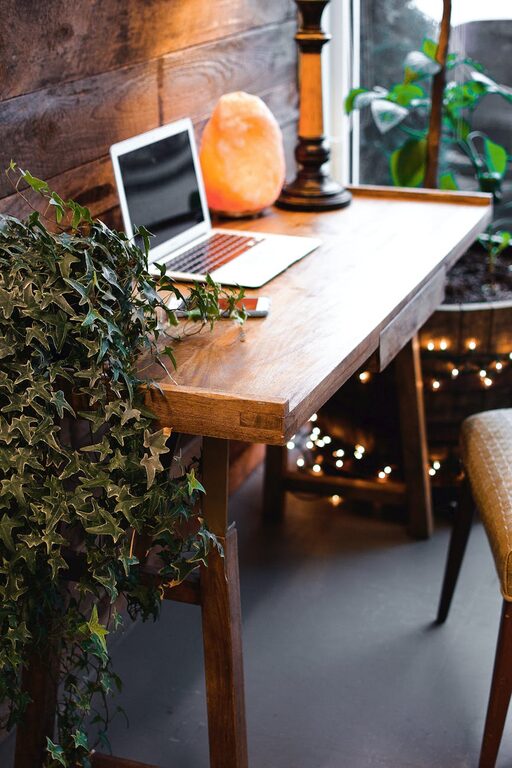
Creating a relaxing home workspace is essential in today’s world, where many of us spend significant time working from home. A comfortable and calming work environment can improve focus, reduce stress, and boost overall productivity. Whether you’re setting up a home office for the first time or looking to refresh your current space, these tips will help you design a workspace that feels inviting and helps you work efficiently.
Choose the Right Location
Finding the ideal spot in your home for your workspace is the first step. Here’s what to consider:
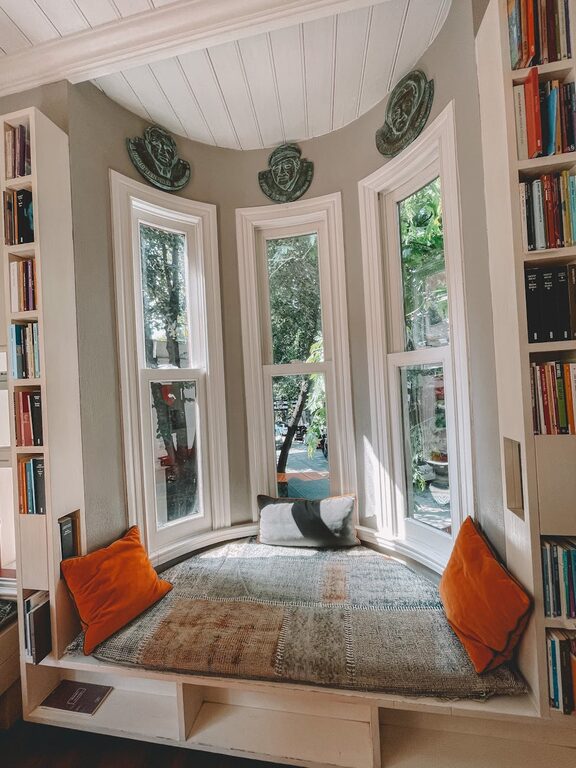
– Natural light: Position your desk near a window if possible. Natural light can improve mood and reduce eye strain.
– Privacy: Select a quiet area where you won’t be distracted by household activities.
– Space: Ensure there’s enough room for your desk, chair, and storage to keep things organized.
If space is limited, consider using a foldaway desk or a multipurpose area that can be easily tidied after work.
Invest in Comfort
Your comfort greatly influences your ability to focus and stay productive throughout the day.
– Ergonomic chair: Choose a chair that supports your back and encourages good posture.
– Desk height: Adjust your desk or chair so that your arms are parallel to the floor when typing.
– Footrest: If your feet don’t resting comfortably on the floor, a small footrest can help.
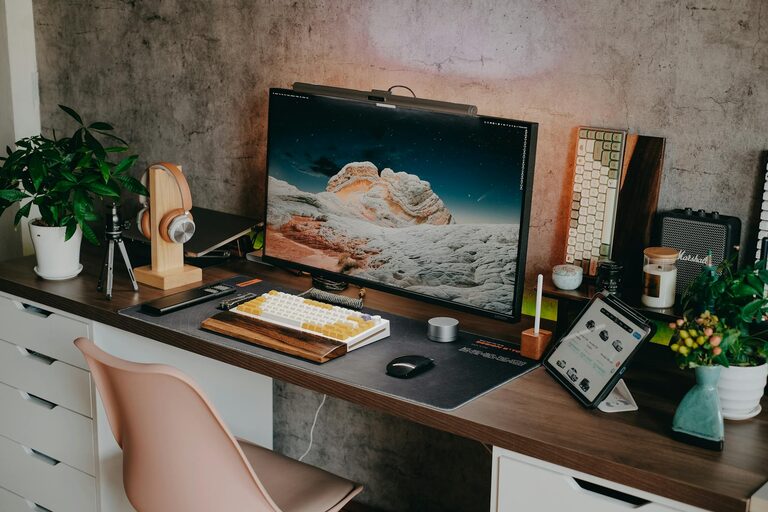
– Monitor placement: Position your computer screen so the top of the monitor is at or slightly below eye level to avoid neck strain.
Comfortable seating and proper ergonomics reduce fatigue and prevent discomfort during long work sessions.
Keep It Organized and Clutter-Free
A tidy workspace can help clear your mind and improve productivity. Here are some organization tips:
– Storage: Use shelves, drawers, or storage bins to keep supplies organized and out of sight.
– Cable management: Use cable clips or ties to avoid tangled cords.
– Daily reset: Make it a habit to clear your desk at the end of each workday.
– Minimal décor: Keep decorations simple to avoid visual clutter but consider adding one or two personal or inspiring items.
Organized spaces can help you focus and reduce feelings of being overwhelmed.
Add Calming Elements
Incorporating relaxing features into your workspace can make a big difference in how you feel during the day.
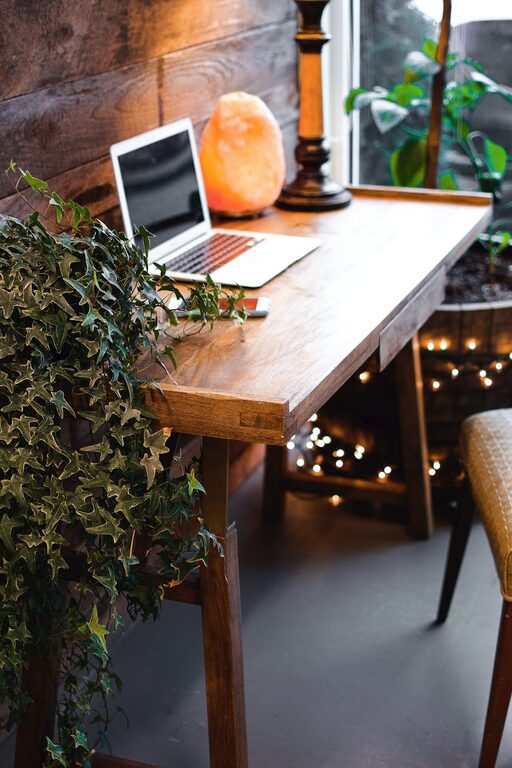
– Plants: Indoor plants improve air quality and add a natural touch that soothes the mind.
– Soft lighting: Use lamps with warm-toned bulbs or adjustable brightness to reduce harsh overhead lighting.
– Aromatherapy: A subtle, soothing scent, such as lavender or eucalyptus, can create a calming atmosphere without being overpowering.
– Comfort items: Consider a cozy blanket or cushion to make your space inviting and comfortable.
These simple elements can make your workspace a haven for creativity and focus.
Establish Boundaries
Working from home often blurs the line between professional and personal life. Setting clear boundaries helps keep your workflow organized.
– Set working hours: Define when your workday starts and ends.
– Dedicated work zone: Keep work activities within your workspace to separate work from relaxation areas.
– Use signals: Communicate with household members about your working times and workspace boundaries.
– Take breaks: Encourage yourself to get up and move regularly to clear your mind and reduce fatigue.
Healthy boundaries promote balance and reduce stress when working from home.
Utilize Technology Wisely
Technology is crucial for productivity but can sometimes contribute to distraction or discomfort.
– Noise-cancelling headphones: Block out background noise if you’re in a busy household.
– Task management tools: Use apps or planners to keep track of projects and deadlines.
– Regular screen breaks: Follow the 20-20-20 rule by looking 20 feet away for 20 seconds every 20 minutes to reduce eye strain.
– Screen filters: Consider blue light filters or glasses to protect your eyes during extended screen use.
When used thoughtfully, technology enhances your workflow without overwhelming you.
Personalize Your Space
Your workspace should reflect your personality to make you feel at ease and motivated.
– Photos and mementos: Add pictures or meaningful items that bring positive energy.
– Artwork: Hang posters or art that inspires or relaxes you.
– Color scheme: Choose colors that make you feel calm and happy—soft blues, greens, or neutrals are good options.
Personal touches help make your workspace unique and enjoyable to spend time in.
—
Setting up a relaxing home workspace might take a little time and effort, but the benefits are well worth it. With the right location, comfort features, and organization, your home office can become a peaceful place that supports your work and well-being. Try implementing these tips one at a time and see how your workday improves!