


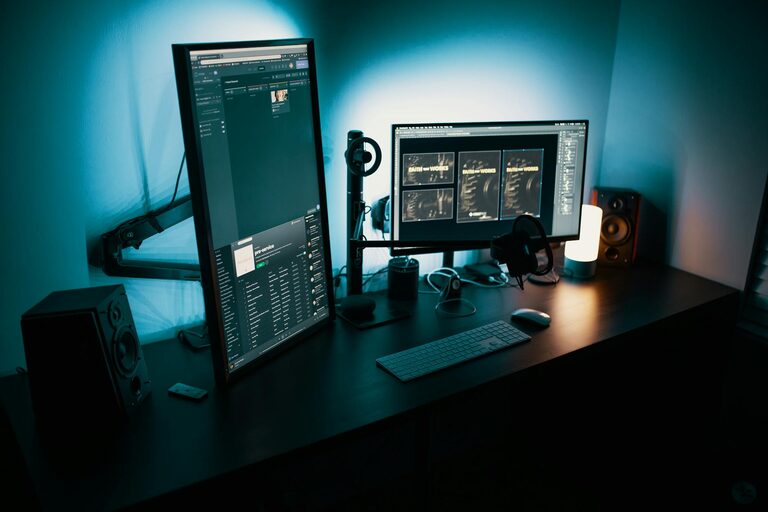
Creating a home office that is both comfortable and productive can make a significant difference in your work-from-home experience. Whether you work remotely full-time or just need a dedicated space for occasional tasks, setting up an effective home office can help you stay focused, reduce stress, and maintain a good work-life balance. This guide offers practical tips to design a workspace tailored to your needs.
Choose the Right Location
The first step in creating an ideal home office is selecting the best spot in your home. Consider the following factors:
– Quietness: Find a space with minimal noise and distractions.
– Natural light: Choose an area near a window to benefit from daylight, which can improve mood and energy.
– Space: Opt for a location where you can comfortably fit your desk, chair, and any additional equipment.
– Privacy: If possible, select a room or nook where you won’t be easily interrupted.
If space is limited, even a corner in your living room or bedroom can be adapted for work.
Invest in Comfortable Furniture
Comfort is key to staying productive through long work hours. Focus on ergonomic and supportive furniture, including:
– Ergonomic chair: Look for adjustable chairs that support good posture and reduce strain on your back and neck.
– Proper desk height: Your desk should allow your arms to rest comfortably at a 90-degree angle.
– Monitor placement: Position screens at eye level and about arm’s length away to avoid eye strain and neck pain.
If your budget allows, consider accessories like adjustable standing desks or footrests to keep movement varied.
Organize Your Workspace Efficiently
A clutter-free environment helps minimize distractions and boosts efficiency. Here are some organizing tips:
– Use storage solutions: Shelves, filing cabinets, or storage bins keep your supplies tidy.
– Cable management: Use clips or sleeves to keep cords neat and prevent tangling.
– Keep essentials handy: Store frequently used items like pens, notebooks, and chargers within easy reach.
– Personalize wisely: Add a few personal touches like photos or plants, but avoid overcrowding your desk.
Regularly declutter your workspace to maintain a fresh, inviting area.
Optimize Lighting
Good lighting reduces eye fatigue and improves focus. To optimize lighting in your home office:
– Maximize natural light: Keep windows clear and use light curtains to diffuse glare.
– Supplement with task lighting: Use a desk lamp with adjustable brightness and direction.
– Avoid harsh overhead lighting: Soft, warm light is less tiring on the eyes.
Consider investing in light bulbs that mimic natural daylight for the best effect.
Minimize Distractions
Working from home comes with unique distractions. To create a focused environment:
– Set clear boundaries: Communicate your work hours to family or roommates.
– Use noise-cancelling headphones: They help block background noise.
– Turn off unnecessary devices: Limit smartphone notifications or TV sounds during work time.
– Create a routine: A consistent schedule signals to your brain when it’s time to work.
Having a dedicated space helps mentally separate work from home life.
Incorporate Technology That Works for You
Choosing the right technology supports productivity without frustration:
– Reliable internet connection: Ensure you have strong Wi-Fi coverage or a wired connection.
– Quality peripherals: Invest in a good keyboard, mouse, and webcam if needed for video calls.
– Backup solutions: Keep data safe with cloud storage or external hard drives.
– Productivity apps: Use tools for task management, note-taking, and time tracking to stay organized.
Regularly update your software and hardware to avoid technical difficulties.
Promote Movement and Comfort
Sitting for long periods can affect health and focus. To stay comfortable:
– Take breaks: Follow the 20-20-20 rule—every 20 minutes, look at something 20 feet away for 20 seconds.
– Stretch regularly: Simple stretches reduce muscle tension.
– Alternate between sitting and standing: If possible, use a standing desk or take standing breaks.
– Keep water nearby: Staying hydrated helps maintain energy levels.
Incorporating movement into your day can refresh your mind and body.
Add Personal Touches for Motivation
Adding elements that inspire you can boost morale and creativity:
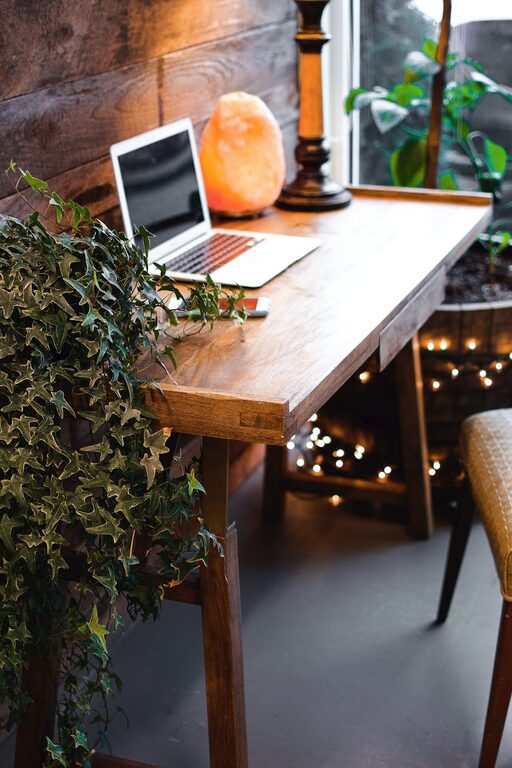
– Decorate with plants: Indoor greenery improves air quality and mood.
– Inspirational artwork: Choose pieces that motivate without overwhelming the space.
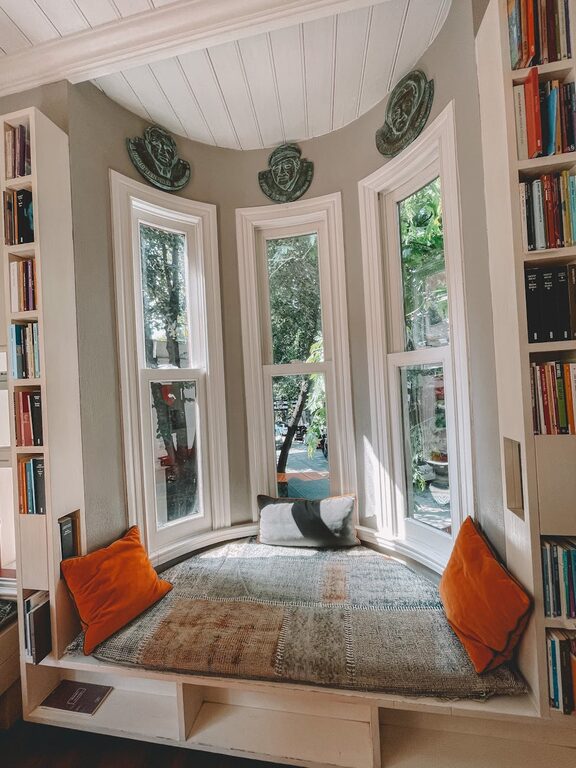
– Comfort items: Soft rugs, cushions, or a cozy blanket can make the room inviting.
– Scent and sound: Use candles, diffusers, or soothing background music to create a pleasant atmosphere.
Balance personalization with simplicity to maintain focus.
Final Thoughts
Creating a comfortable and productive home office is about more than just arranging furniture—it’s about designing a space that supports your work style and well-being. By thoughtfully choosing your location, investing in ergonomic furniture, staying organized, and adding motivating touches, you can craft an environment that makes working from home enjoyable and efficient.
Remember, your home office should evolve with your needs, so don’t hesitate to adjust it as you find what works best for you. With these tips, you’re on the path to a workspace that helps you do your best every day.